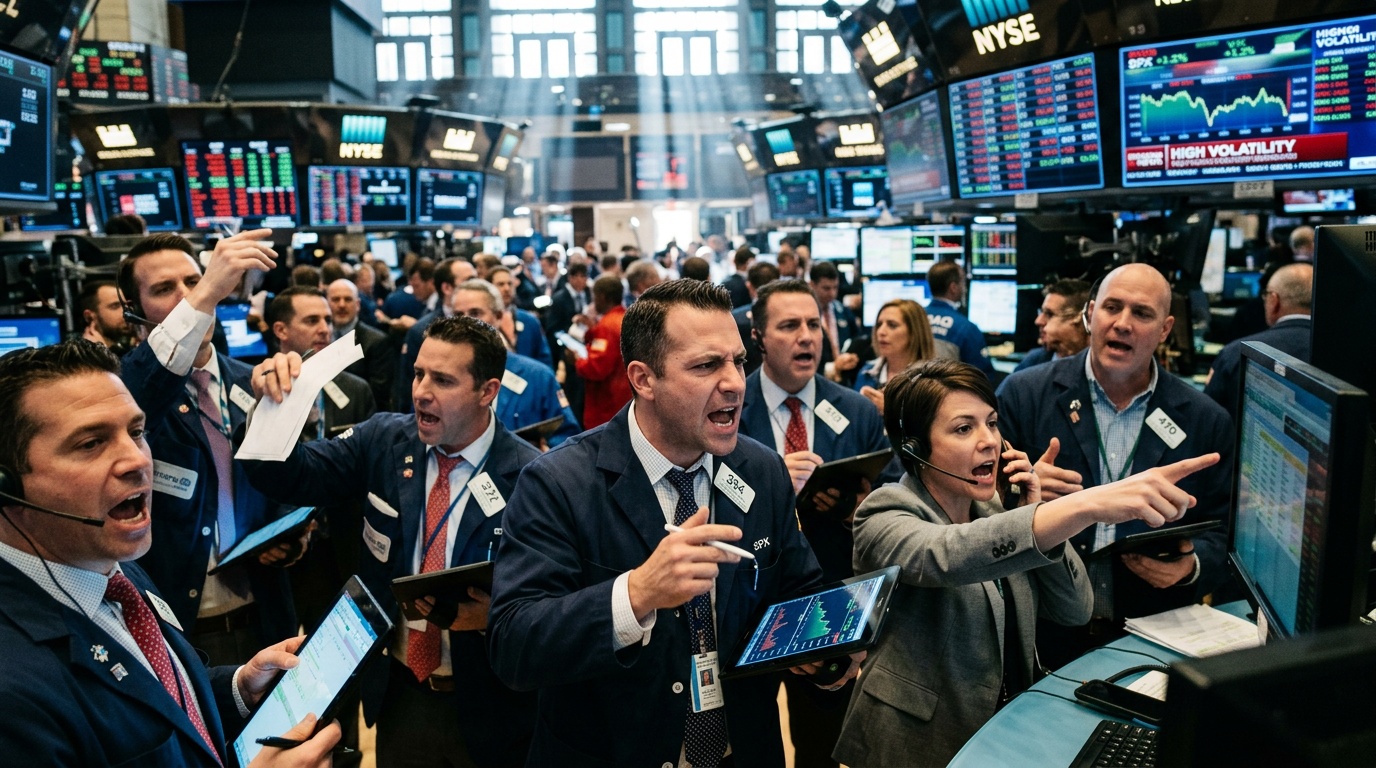







If you were betting on the Fed to start cutting rates soon, Friday's jobs report probably threw a wrench in your plans. The August numbers came in hot, and suddenly the market is talking about a rate hike again. That's bad news for some stocks, but it could be a quiet tailwind for a specific set of ETFs.
Here's the headline: U.S. payrolls grew by 162,000 in August, blowing past the roughly 56,000 economists had penciled in. The unemployment rate stayed put at 4.1%, and to add insult to injury for the doves, June and July payrolls were revised up by a combined 55,000. The market's reaction was swift, with odds of a Federal Reserve rate hike at the September meeting ticking higher.
Why Higher Rates Change the ETF Playbook
Higher rates are a mixed bag for stocks. On one hand, they raise borrowing costs for companies and make future earnings worth less in today's dollars. Growth stocks, which rely heavily on profits expected years down the road, tend to feel the most pain. But the damage isn't universal.
Financials, for instance, can actually benefit. Banks and lenders can potentially earn more on loans and other interest-bearing assets when rates rise. Value stocks also tend to hold up better because their valuations are less tied to distant future earnings. So if the jobs strength keeps the Fed in a hawkish mood, it's worth paying attention to financial, value, and dedicated rising-rate ETFs.
EQRR: A Direct Bet on Rising Rates
If you want a targeted way to play this, the ProShares Equities for Rising Rates ETF (EQRR) is about as direct as it gets. This fund tracks an index specifically designed to pick out U.S. sectors and stocks that have historically moved in sync with rising 10-year Treasury yields. Its portfolio tends to lean heavily on sectors like financials and energy, which have a track record of resilience when rates climb.
What makes EQRR different from just buying a plain financial or value ETF? Its holdings are chosen based on their relationship with Treasury yields, not just their sector or style. That makes it a more tactical tool if you think rates are going to stay elevated for a while.
Broader Options: Financial and Value ETFs
If you prefer a less specialized approach, the State Street Financial Select Sector SPDR ETF (XLF) gives you broad exposure to U.S. financial companies. It's a straightforward way to bet on banks, insurers, and other financial firms that could benefit from a steeper yield curve.
For a value tilt, the Vanguard Morningstar Value Index Fund ETF (VTV) and the iShares Russell 1000 Value ETF (IWD) both offer diversified exposure to large-cap value stocks. These are companies with strong current cash flows, which makes them less vulnerable to the valuation squeeze that higher discount rates can cause.
Another angle is floating-rate debt. The iShares Floating Rate Bond ETF (FLOT) holds investment-grade corporate bonds with coupons that adjust as benchmark rates move. That means you can capture higher yields without taking on the same duration risk you'd face with traditional fixed-rate bonds.
Now, a word of caution: one jobs report doesn't guarantee a rate hike. The Fed will be watching inflation data closely, especially the upcoming CPI report. But the August payroll surprise has revived a market regime that many investors had started to write off. If higher rates are back on the table, ETFs built for that world could be quietly coming back into focus.